


Freeride Skis and Snowboard for Deep Snow Power
Freeride equipment is designed for riders who want to explore beyond groomed slopes and experience untouched terrain. Deep powder, steep lines, and variable mountain conditions require gear that offers stability, float, and durability. In this blog, we will explore what makes best freeride skis stand out, why riders search repeatedly for best freeride skis when upgrading their gear, and how a best freeride snowboard delivers confidence in off‑piste conditions.
What Defines Freeride Performance?
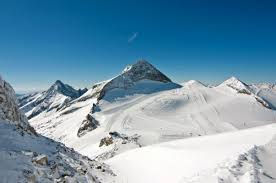
Freeride riding focuses on natural terrain rather than terrain parks or groomed pistes. Riders often encounter deep powder, uneven snow, and steep descents. Because of these challenges, equipment must be stable at speed, responsive during turns, and strong enough to handle impacts.
This is why many advanced riders carefully research the best freeride skis before making a purchase. The same attention goes into selecting the best freeride snowboard, as performance in off‑piste terrain depends heavily on board construction and shape.
Key Features of the Best Freeride Skis
The best freeride skis are typically wider than standard all‑mountain skis. A wide waist width increases surface area, allowing the skis to float on powder instead of sinking. This makes turning smoother and reduces fatigue in deep snow.
Another important feature of best freeride skis is a directional shape. These skis are built to move forward with stability, making them ideal for charging down steep faces. Rocker in the tip, and sometimes in the tail, helps improve maneuverability in soft snow, while camber underfoot maintains edge grip when conditions become firmer.
Construction quality also matters. The best freeride skis often include strong wood cores reinforced with carbon or metal layers. This combination increases stability at high speeds while keeping overall weight manageable. Riders who regularly explore backcountry terrain appreciate how the best freeride skis balance strength and agility.
Why Riders Keep Searching for the Best Freeride Skis
Freeride skiing is highly personal. Snow conditions, terrain preferences, and riding style all influence equipment choice. That is why experienced skiers often test multiple models before deciding on the best freeride skis for their needs.
Some riders prefer a slightly softer flex for playful turns in powder, while others choose a stiffer build for aggressive downhill performance. Because freeride environments can change quickly, versatility within the category of best freeride skis is essential. Manufacturers continue to innovate, offering improved damping systems, lighter materials, and refined shapes to meet these demands.
What Makes the Best Freeride Snowboard Different?
Just like skis, a best freeride snowboard is designed specifically for off‑piste exploration. These snowboards are usually directional, meaning the nose is longer than the tail. This shape improves float in deep snow and provides better control during fast descents.
A best freeride snowboard often features a stiffer flex compared to freestyle boards. This stiffness increases stability and edge hold, especially when carving at high speeds. Rocker in the nose helps lift the board in powder, while camber sections enhance precision on harder snow.
Durability is another key factor. Off‑piste terrain can include hidden rocks and uneven surfaces. The best freeride snowboard uses reinforced edges, strong bases, and high‑quality bonding techniques to withstand these challenges.
Comparing Skis and Snowboards for Freeride Terrain
Both best freeride skis and best freeride snowboard options aim to maximize performance in natural terrain. However, the riding experience differs. Skis allow independent leg movement, which can provide greater maneuverability in tight spaces. A snowboard offers a surf‑like feel in powder and smooth, flowing turns.
Choosing between best freeride skis and a best freeride snowboard depends on personal preference and previous experience. Both categories prioritize float, stability, and strength, ensuring riders can confidently tackle steep and deep conditions.
Technology Driving Freeride Innovation
Modern freeride equipment benefits from continuous innovation. The best freeride skis now feature advanced vibration‑damping systems that reduce chatter at high speeds. Lightweight cores help maintain agility during long backcountry tours.
Similarly, the best freeride snowboard incorporates improved edge geometry and eco‑friendly materials. Manufacturers are increasingly focused on sustainability while maintaining high performance standards.
These technological improvements ensure that both best freeride skis and best freeride snowboard models deliver reliable results in challenging mountain environments.
Conclusion
Freeride riding demands equipment that can handle unpredictable terrain and deep snow. The best freeride skis provide float, control, and durability for skiers exploring off‑piste areas. A best freeride snowboard offers stability, directional precision, and smooth performance in powder. By understanding the features that define these categories, riders can select gear that matches their style and maximizes their mountain experience.

Comments